
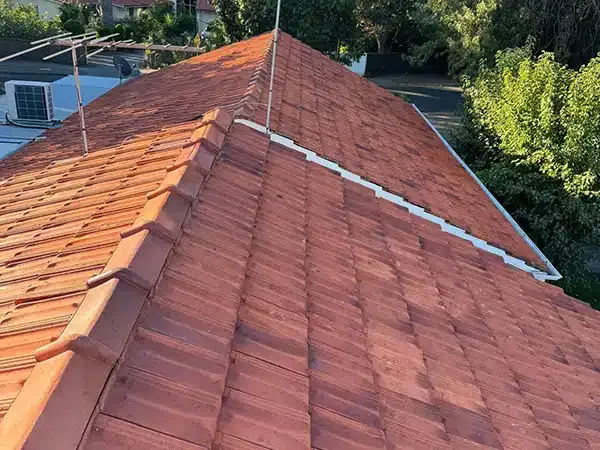
After six months of cold fronts, heavy rain, and the kind of temperature swings that don’t let up, your roof finally has some room to breathe. The worst of winter is behind it. The real heat hasn’t arrived yet. That gap, short as it is, is the most valuable window of the year if you’ve been thinking about painting or restoring your roof, and most Adelaide homeowners let it pass without acting on it.
Here’s why that’s a mistake worth avoiding.
Roof paint and sealants aren’t just cosmetic – they’re protective layers that need specific conditions to cure correctly. Too much moisture in the surface and adhesion suffers. Too much heat during application and the coating blisters, cures unevenly, and fails earlier than it should. Adelaide winters leave roofs damp and cold; Adelaide summers push surface temperatures well past 60 degrees on a hot day. Neither is ideal for coating work.
Spring sits squarely in between. Surfaces are dry, ambient temperatures are moderate, and coatings cure the way they were designed to. The same product applied in October will outperform the same product applied in January – not because of anything visible, but because of what happened in the hours after it went on.
One thing winter does well is hide damage. Overcast skies, wet surfaces, and low sun angles make it genuinely difficult to assess the condition of a roof coating from the ground. Spring light changes that. With the sun sitting higher and surfaces dry, faded sections, chalking, small chips, and areas where the coating has begun to lift become visible in a way they simply aren’t through the colder months.
For most roofs that haven’t been painted in a decade or more, spring is the first honest look at what’s actually there. What you find – whether it’s general fading across the whole surface or isolated patches of deterioration – tells you whether a full restoration is warranted or whether targeted touch-up work will do the job. Either way, knowing early leaves time to act before the season closes.
There’s a practical benefit to acting in spring that goes beyond the coating itself. A properly restored roof with a quality reflective finish handles Adelaide’s summer heat differently from a faded one. Lighter, well-maintained coatings reflect significantly more solar radiation than surfaces that have chalked or darkened with age – which means less heat transferring into the ceiling space during the months when it matters most.
Getting the work done in October rather than February means you carry those benefits through the hottest part of the year, rather than starting summer with a roof that’s already working against you. It’s not a small difference in a city where January days regularly push past 40 degrees.
September and October are the months to move on this. By November, surface temperatures are already climbing toward levels that complicate coating work, and tradespeople who do this well tend to fill quickly as the season turns. Leaving it until December means either rushing it through or pushing into next year – and another summer on a roof that needed attention in spring.
Master Roofing Adelaide uses Dulux Acratex coatings applied by accredited painters, backed by a full workmanship guarantee. Every job starts with a free inspection – so you know exactly what the roof needs before any commitment is made.
Call 0420 580 897 or book your inspection online.