
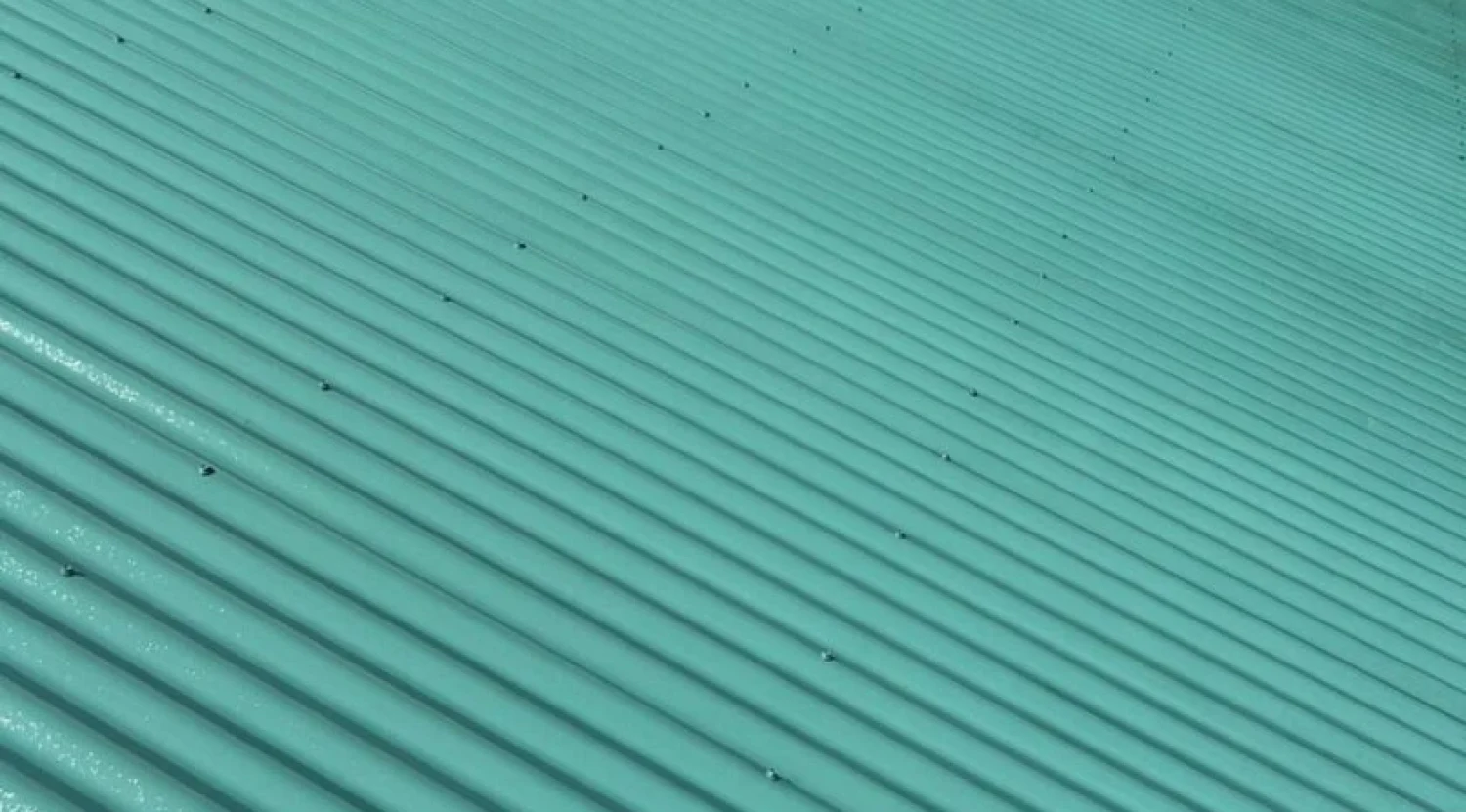
Are you trying to reduce your energy expenses? Your roof can be an unexpectedly effective asset for energy efficiency! When it is well-maintained your roof can help in controlling your home’s temperature by keeping it cooler during the summer and warmer in the winter. This can eventually result in decreased energy bills and a more pleasant living environment for you and your family. In this blog, our Adelaide roofing contractor shares the top practical methods by which your roof can contribute to saving energy costs.
Darker roofing tends to absorb much more heat and that can raise the temperature inside your home, increase your cooling expenses. Switch to lighter-coloured materials or apply a reflective coating so the environment inside your house stays cooler by reflecting sunlight away, rather than absorbing it.
The insulation in the roof acts like a thermal barrier. During the cold seasons it retains warmth inside and during warm months it keeps excessive heat from coming inside. A decently insulated roof might have your HVAC working easier to maintain a comfortable indoor temperature.
Consider reflective roof coatings as protective layers for your roof. These coatings deflect sunlight, helping to keep roof surfaces cooler. By decreasing roof temperatures, they also ensure that your attic remains cooler, resulting in less heat penetrating into your living spaces.
Having adequate ventilation in your roof allows hot air to escape and fresh air to flow in. This prevents the attic from retaining heat that could spread throughout your home. By minimising heat accumulation, you can help keep your entire house cooler and reduce air conditioning expenses.
Radiant barriers, typically installed beneath the roof, function as an additional insulation layer by reflecting the sun’s radiant heat. Particularly beneficial in warmer areas, radiant barriers can help decrease cooling costs by reducing the heat that enters your home through the roof.
Modern shingles are designed to promote energy efficiency. These “cool shingles” reflect more sunlight than their traditional counterparts, which helps to lower roof temperatures. Consequently, they reduce needing cooling and prolong your roof’s lifespan by minimising heat-related wear.
Roof leaks can lead to warm air escaping during winter and hot air entering in the summer. Quickly addressing these issues will help maintain a consistent internal temperature in your home, allowing your HVAC system to operate more efficiently.
A green roof, which is covered in vegetation, provides natural insulation for your home and can lower surface temperatures in the summer months. Aside from its energy benefits, a green roof is also environmentally friendly and reduces rainwater runoff.
Conducting regular roof inspections helps to guarantee that any damage is promptly addressed. Issues such as cracked shingles or damaged flashing can negatively affect your roof’s efficiency. By keeping up with these repairs, your roof will remain strong and keep your home energy-efficient.
Spaces around chimneys, skylights, and vent pipes can be common areas where hot or cold air may enter or escape. Sealing these gaps helps to maintain a consistent indoor temperature and reduces the workload on your HVAC system, eventually lowering energy costs.
Your roof considerably influences your home’s energy consumption. By adding insulation, using reflective materials, or selecting energy-efficient shingles, you can create a roof that maintains a comfortable indoor environment while minimising energy use. For upgrades, repairs, or expert guidance, contact Master Roof Restoration for solutions to enhance your roof’s efficiency!